
Japan is facing a growing loneliness crisis, with more people living alone and avoiding traditional dating.
In response, a quiet shift is happening across cities—a new dating trend is reshaping how singles connect.
This movement is offering fresh hope to those who feel left out of the conventional relationship model.
Understanding the Loneliness Crisis
Japan’s loneliness crisis is driven by declining marriage rates, long work hours, and a rapidly aging population.
Many young adults are staying single longer, leading to emotional isolation and a growing disconnect from traditional relationship paths.
The Rise of “Solo Katsu” and Solo Activities
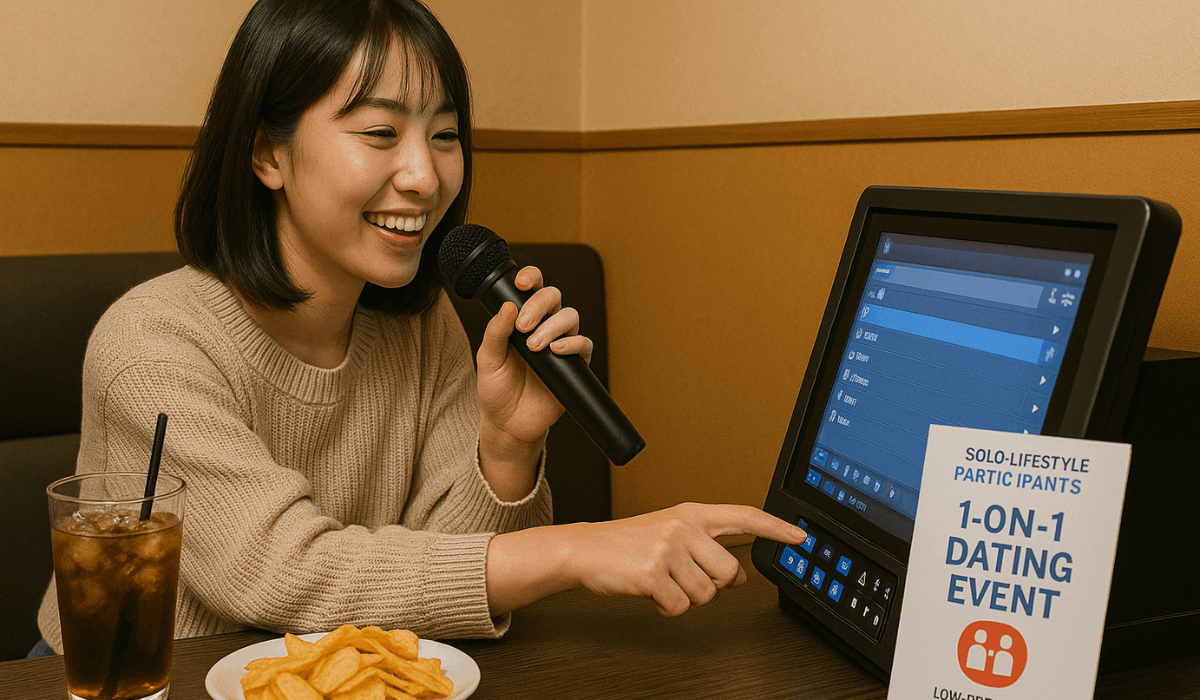
“Solo katsu” refers to the growing trend of doing activities alone, such as dining, karaoke, or traveling.
In Japan, it has become a normalized and empowering way for individuals to enjoy personal time without social pressure.
How Solo Habits Led to New Dating Approaches
As solo living became more common, dating methods in Japan began to adapt.
These changes focus on comfort, personalization, and emotional ease, particularly for individuals who are accustomed to spending time alone.
- Events designed for one-on-one interactions, rather than group mixers, reduce social pressure.
- Dating apps offer quiet, interest-based matches rather than appearance-focused swiping.
- Cafés and bars tailored for solo visitors that discreetly match people with shared hobbies.
- More emphasis on emotional compatibility than on traditional gender roles or status.
- Flexible, low-commitment dating options that fit busy or introverted lifestyles.
The Dating Trend Changing Everything
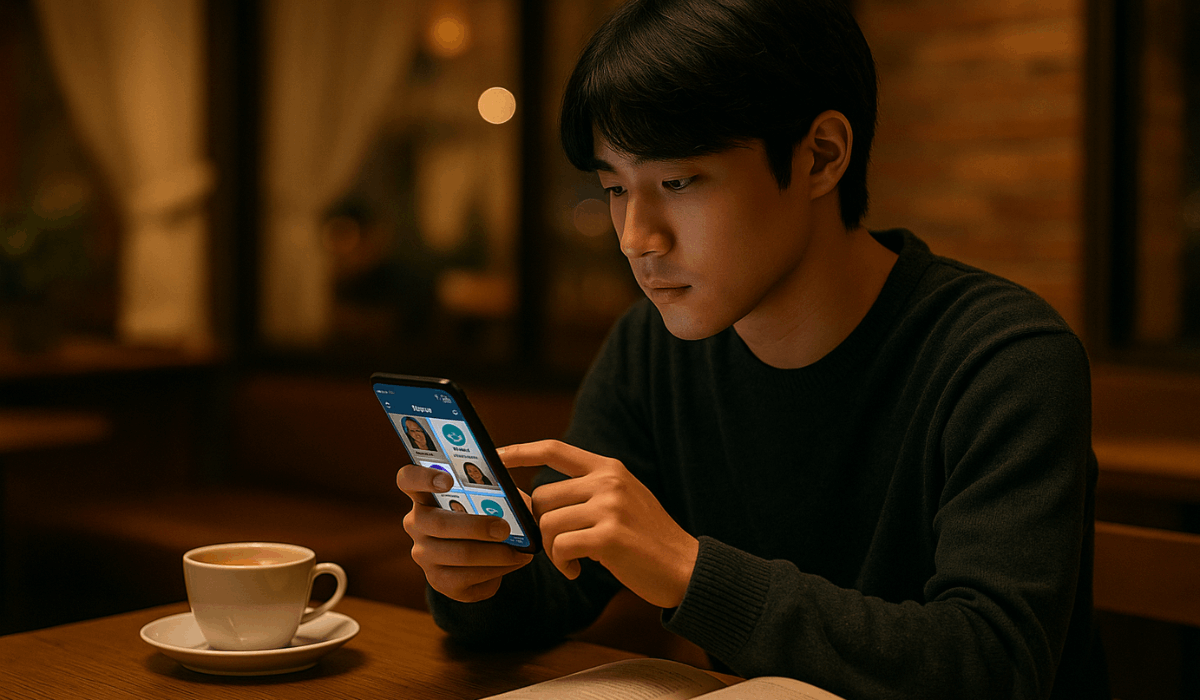
A new wave of dating options in Japan is changing how singles meet and build relationships.
These trends are designed for people who value comfort, quiet spaces, and authentic interaction.
- Matching Bars: These venues allow singles to meet naturally over drinks, with staff or apps suggesting subtle pairings based on interests.
- Silent Dating Cafés: Guests can connect through written messages or quiet observation, ideal for shy or introverted individuals.
- AI-Powered Matchmaking Apps: Platforms like Pairs and Tapple use behavior and interest data to create smarter, more accurate matches.
- Themed Group Meetups: From hiking trips to cooking classes, these events connect people over shared hobbies rather than forced conversation.
- Co-Working Style Dates: People meet while reading, working, or studying, creating space for calm, pressure-free bonding.
Expanding Beyond Romance: Friend Dating and Platonic Apps
In Japan, the need for human connection is no longer limited to romance.
Many singles are now turning to platforms that help them form meaningful friendships and platonic bonds.
- Friendship Apps: Designed to connect people through shared interests and slow, thoughtful communication like Slowly or Tinder.
- Community-Based Platforms: Services that organize hobby meetups, language exchanges, or book clubs for platonic socializing.
- Companion Services: Paid or volunteer programs where people can talk, dine, or go on casual outings without romantic intent.
- Mental Health-Focused Spaces: Apps and cafés where emotional support is prioritized over dating.
- Platonic Date Experiences: Experiences such as walking tours or game nights that pair individuals seeking strictly platonic friendships.
Impact of Pandemic and Technology Acceleration
The COVID-19 pandemic significantly altered how people in Japan connect, accelerating the adoption of technology in dating and social interactions.
As face-to-face meetings declined, digital platforms became the new normal for building relationships.
- Surge in Dating App Usage: Apps like Pairs, Omiai, and Tapple saw significant growth as singles turned to virtual dating during lockdowns.
- Virtual Speed Dating: Many platforms have introduced live video dates, allowing users to connect safely from the comfort of their own homes.
- Remote Hangout Spaces: VR-based platforms like Cluster and HIKKY became alternatives for socializing in immersive virtual environments.
- Growth of Video Chat Features: Dating apps added in-app video calls, helping users build trust before meeting in person.
- Increased Acceptance of Online Matchmaking: App-based dating has lost its stigma, leading to the widespread acceptance of digital relationships.
- Expansion of AI Tools: Apps enhanced their algorithms using behavioral data to improve match accuracy and user engagement.
Mental Health and Emotional Well-being
Loneliness in Japan has not only affected social lives but also mental health.
In response, new dating trends and platforms now emphasize emotional well-being and psychological comfort.
- Therapy-Inspired Apps: Tools like the Kokoro App help users manage stress while offering peer support.
- Emotion-Based Matching: Platforms now use emotional profiling to match users based on personality and mood compatibility.
- Safe, Non-Judgmental Environments: Silent cafés and solo-friendly events help reduce anxiety associated with traditional dating settings.
- Supportive Community Features: Many apps offer forums, guided journaling, or check-in prompts to boost emotional resilience.
- Reduced Pressure: The shift away from looks-based swiping lowers self-esteem issues and dating fatigue.
- Hybrid Spaces for Mental Relief: Some dating lounges and events now blend mindfulness activities with casual socializing.
Why It Works for Today’s Singles
Modern singles in Japan face unique challenges, including busy schedules, social anxiety, and shifting expectations about relationships.
The new dating trend works well because it fits naturally into their lifestyle and emotional needs.
- Low-pressure interactions: No forced conversations or high-stakes expectations—just calm, casual meetings.
- Interest-based matching: People bond over shared hobbies or values, not just looks or job titles.
- Flexible communication styles: Options include chatting via text, voice, video, or even silent meetups.
- Comfort for introverts: Many platforms and spaces are designed to be quiet and socially safe.
- More emotional compatibility: Apps now focus on personality, communication habits, and mindset.
- Fits busy lives: Singles can engage at their own pace without disrupting work or personal routines.
What This Means for Japan’s Dating Future
Modern singles are reshaping the meaning of dating in Japan.
These trends aren’t just temporary—they’re rewriting the future of relationships by emphasizing connection, comfort, and authenticity.
- Changing cultural norms: As dating shifts away from status and appearance, new values, such as compatibility and shared interests, take center stage.
- Tech-driven personalization: AI and emotion-based matching tools will become core to how people find connections.
- Hybrid spaces: Expect more venues blending socializing with hobbies, well-being, or co-working vibes—perfect for relaxed bonding.
- Greater mental-health focus: Dating services will increasingly integrate tools for emotional support and mental wellness.
- Rise of platonic networks: Platforms that foster friendships and non‑romantic outings will become mainstream, reducing isolation.
- Slow dating becomes a norm: Low-pressure, quality interactions suggest a future where romance is slower and more intentional.
Conclusion – The Quiet Shift in Modern Romance
Japan’s new dating trend is offering a refreshing path for singles seeking real connections without pressure.
From solo-friendly spaces to emotion-based apps, it’s changing how people approach love and friendship.
If you’re feeling alone, consider exploring one of these platforms and taking the first step toward a meaningful connection today.